Leave Your Message
0%

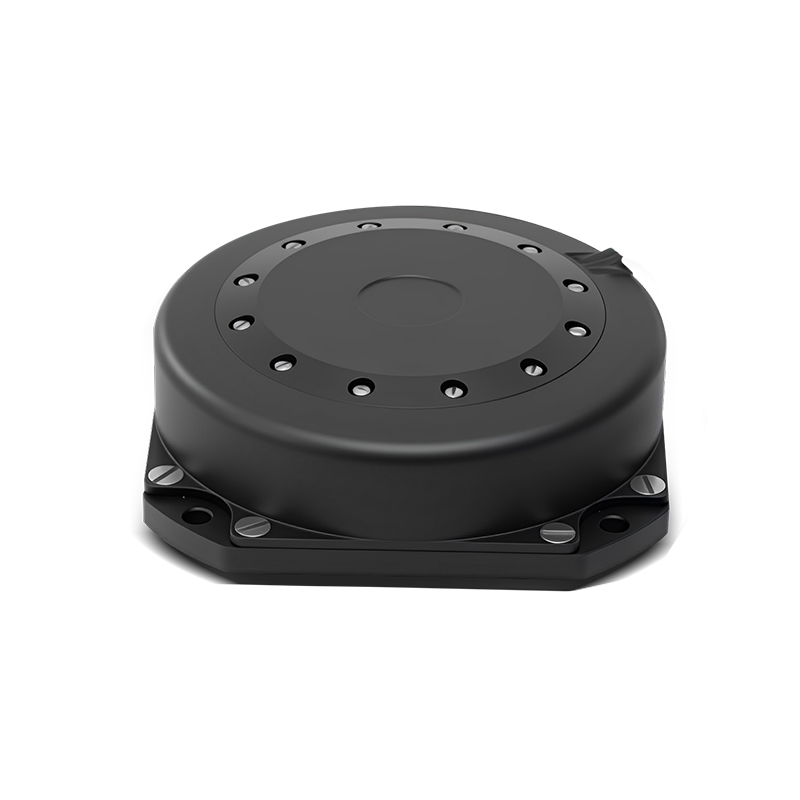
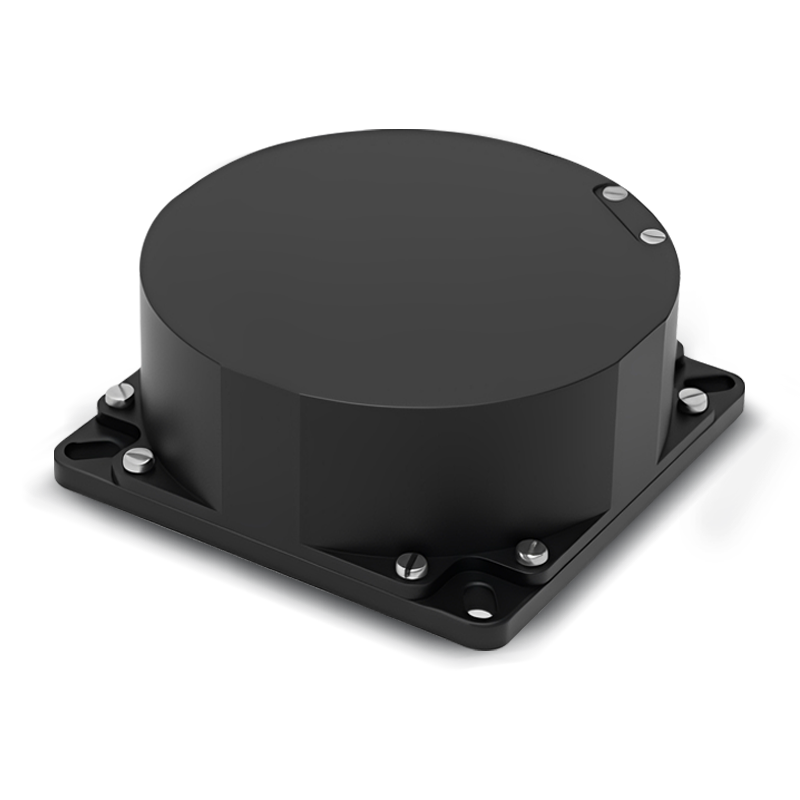
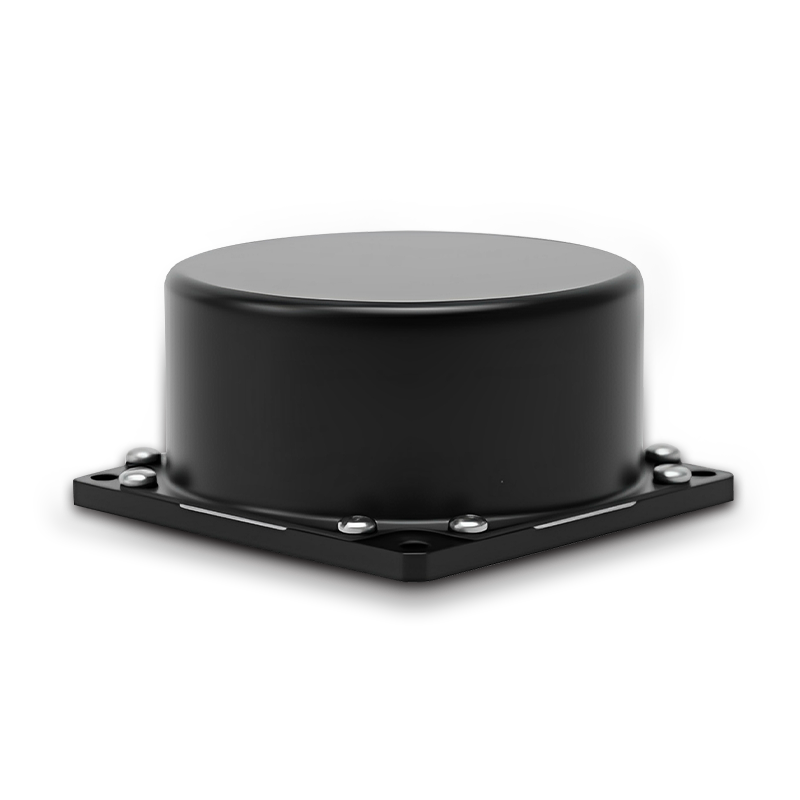
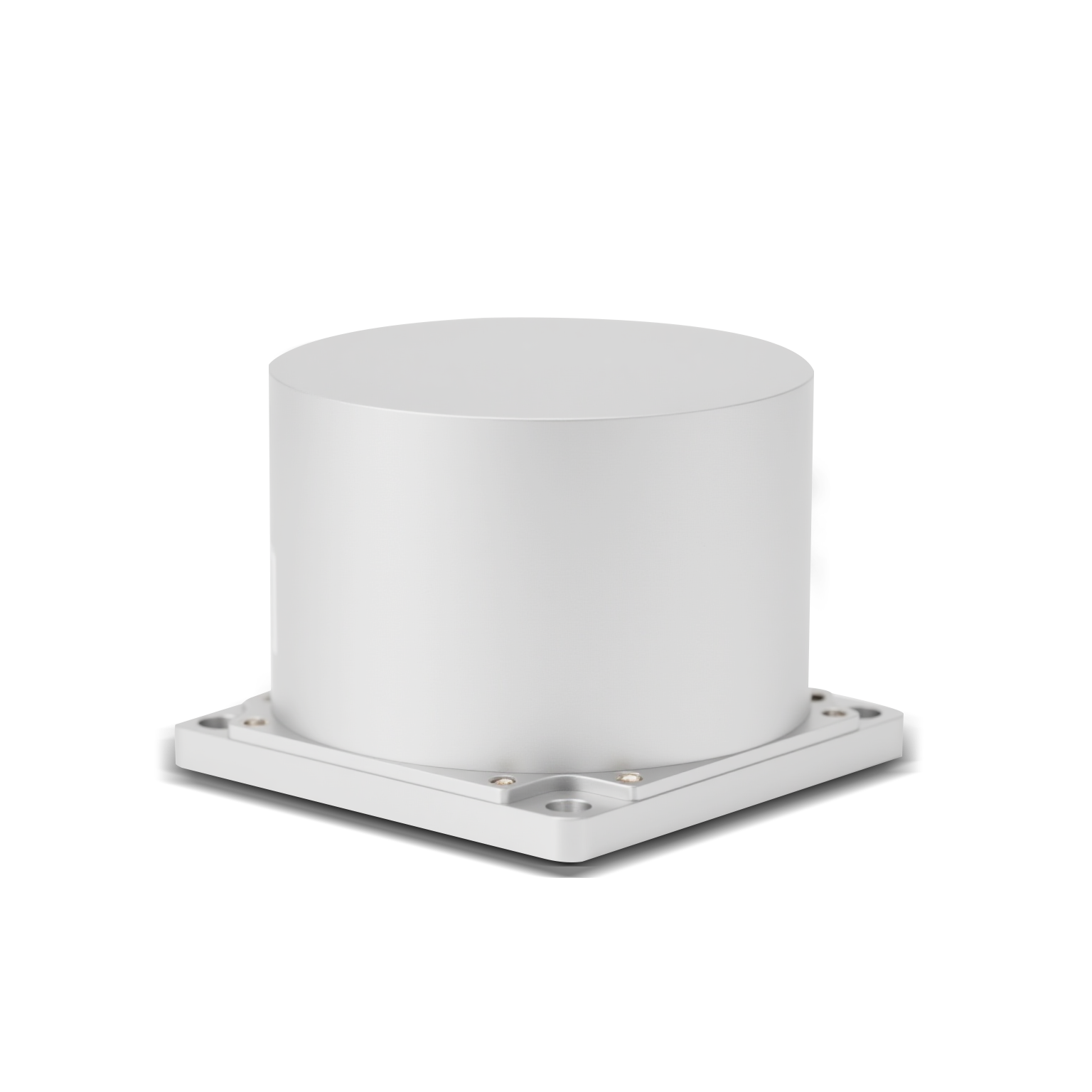
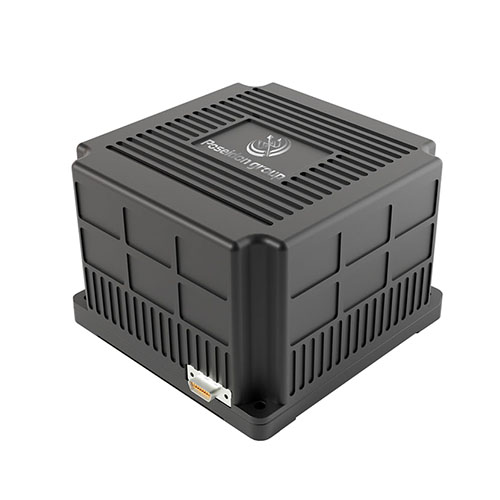
In today’s world, where getting navigation spot-on is super important—whether for business stuff or autonomous tech—Gyroscope Guidance Systems are really leading the way. And when it comes to innovation in this area, Poseidon International Group (Hong Kong) Limited has been a pretty big name since 2013. They focus on the research, design, and manufacturing of top-notch fiber optic gyroscopes (FOG) and inertial navigation systems (INS). We’re proud of the work they do, which has earned them several patents that really help boost how accurate and reliable navigation systems can be. In this blog, I want to dive into what the future holds for Gyroscope Guidance Systems. We’ll look at how these advanced techs can seriously make navigation better and more precise in all sorts of fields—changing the game when it comes to moving around, especially in tricky or complex environments.

How to Enhance Navigation Accuracy with Gyroscope Guidance Systems

Benefits of Gyroscope Guidance Systems in Modern Navigation

As technology keeps advancing, gyroscope-based guidance systems are really stepping into the spotlight as key tools to boost navigation accuracy. I came across a report from Allied Market Research that says the global market for inertial navigation systems—these are the ones that rely heavily on gyroscopes—is expected to hit around $10 billion by 2025. That’s pretty impressive, especially considering it’s growing at about 8.2% annually since 2018. This trend just goes to show how much industries are counting on gyroscopic tech to get precise positioning, especially in tricky environments like busy cities or during rough weather.

One of the coolest things about gyroscope guidance systems is that they can keep accurate even when satellite signals are lost—think of them as a reliable backup for navigation. That’s why they’re super important for aviation, maritime, and even autonomous cars. A study published in the Journal of Navigation mentioned that combining gyroscopes with other navigation tools can bump up accuracy by as much as 95%. Imagine how critical that kind of precision is for things like landing planes or delivering packages with drones—making even tiny mistakes could lead to big problems. Overall, by using gyroscope guidance, industries are not just making things safer—they’re also making their operations smoother and more reliable where it really counts.

Key Industry Statistics on Gyroscope Accuracy and Performance

Gyroscope guidance systems are really important when it comes to improving navigation accuracy across all sorts of industries—think aerospace, cars, and robotics, just to name a few. Lately, we've seen some pretty amazing stats showing how far these gadgets have come. Some modern gyroscopes can now drift as little as 0.1 degrees per hour, which is a huge deal for applications that need real-time navigation adjustments. Not only does this boost safety, but it also helps cut down on operational costs, which is pretty awesome.

Over the past decade, the tech behind gyroscopes has gotten a major upgrade. Thanks to micro-electromechanical systems (MEMS) tech, we now have smaller, more affordable gyroscopes that don’t sacrifice accuracy. In fact, latest reports highlight some serious improvements—they’ve got measurement ranges of up to 2000 degrees per second! These advances don't just mean better navigation; they open up new possibilities for stuff like virtual reality and drone flying. It’s clear that gyros are becoming even more vital in today's tech landscape—and honestly, it’s pretty exciting to watch how quickly they’re evolving.

How to Enhance Navigation Accuracy with Gyroscope Guidance Systems

Case Studies: Successful Implementation of Gyroscope Systems

When you look into navigation tech these days, it's pretty clear that gyroscope guidance systems have really made a difference. They've shown up in all sorts of cases, from steering ships through tricky waters to guiding spacecraft in space. One exciting example is Taiwan’s latest push with fiber optic gyroscope tech — they've managed to use cutting-edge materials and clever methods to make these tools more reliable and accurate. A lot of this progress comes from heavy investments in research and startups; in fact, over 190 companies have sprung up thanks to efforts by Taiwan's National Science Council.

How to Enhance Navigation Accuracy with Gyroscope Guidance Systems

And it’s not just about fiber optics anymore. The market is also buzzing with high-performance MEMS gyroscopes — tiny, efficient, and super handy for modern navigation needs. A big driver here is the ongoing push to make these systems even more precise, often through new simulation techniques. People like Gao Zhongyu have spent decades developing high-precision marine gyroscopes that really changed how we think about inertial navigation. All these success stories show how fast gyroscope tech is advancing, opening doors to even more innovative and accurate navigation solutions in the future.

Comparative Analysis: Gyroscope vs. Other Navigation Technologies

The global market for inertial navigation systems (INS) is really picking up speed. It’s expected to grow from about $13.65 billion in 2025 to roughly $24.28 billion by 2032—showing an annual growth rate of around 8.6%. That’s quite a jump! A big part of this boom is driven by the growing need for highly accurate navigation solutions, especially in defense stuff where precision really matters. Countries like China are pushing the tech frontier, especially with advancements in micro-electromechanical systems (MEMS) gyroscopes used for precision-guided munitions, which makes the competition in the gyroscope scene pretty fierce.

If you look at the different navigation tech out there, gyroscopes definitely stand out—they’re more accurate and reliable than the traditional systems we used to rely on. Companies like Poseidon International Group (based in Hong Kong) are really emphasizing fiber optic gyroscopes (FOG) for these critical applications. They’re investing a lot in research and securing patents, working on advanced inertial measurement units (IMUs) that cater to a market expected to grow at about 7.3% through 2033. Overall, the whole navigation space is shifting thanks to these cutting-edge technologies, with gyroscopes playing a key role in keeping our navigation precise and dependable.

Future Trends: The Role of Gyroscopes in Autonomous Navigation Systems

You know, gyroscopes are really about to play a much bigger role in how autonomous systems navigate their way around. If you look at the bigger picture, the global market for inertial navigation systems—those fancy tech that help devices figure out where they are without relying solely on GPS—is expected to jump from around $13.65 billion in 2025 to nearly $24.3 billion by 2032. That’s an impressive grower, with a steady annual increase of about 8.6%. A lot of this push is coming from the rising use of INS in drones—yep, those little flying machines that can pretty much go somewhere without needing GPS. And, honestly, recent events like the Russo-Ukrainian conflict really highlight just how crucial reliable and precise navigation tools have become, especially when GPS signals might be compromised.

On another note, the tech behind gyroscopes keeps getting better—like the interferometric air-core fiber optic gyroscope (IFOG), which is a mouthful but basically promises much sharper navigation accuracy. The market for these fiber optic gyroscopes is expected to hit about $1.14 billion by 2032, growing at roughly 4.2% annually. It’s pretty clear that high-end gyroscopes are now a must-have in modern navigation systems. This isn't just limited to aerospace or military uses either—industries like automotive are jumping on board, especially as they start weaving in multi-axis sensors and similar tech into their everyday operations. All in all, things are moving fast, and gyroscopes are right at the heart of it all.

How to Enhance Navigation Accuracy with Gyroscope Guidance Systems - Future Trends: The Role of Gyroscopes in Autonomous Navigation Systems

Parameter Description Impact on Navigation Future Trends
Sensor Fusion Combining data from multiple sensor sources. Improves accuracy by compensating for individual sensor errors. Increased integration with AI for enhanced situational awareness.
Miniaturization Reducing the size of gyroscopes without compromising performance. Enables wider application in various compact devices. Development of ultra-compact gyroscopes for drones and IoT devices.
Cost Reduction Decreasing manufacturing costs for gyroscope components. Makes advanced navigation systems more accessible and affordable. Increased competition leading to lower prices and improved technology.
AI Integration Using artificial intelligence to process data from gyroscopic sensors. Enhances decision-making and adapting navigation routes in real-time. Expansion of AI-driven navigation systems in various sectors.
Data Accuracy Precision of data collected through advanced gyroscopic systems. Crucial for safety and reliability in autonomous systems. Emerging technologies like quantum gyroscopes for unprecedented accuracy.

FAQS

: What are gyroscope systems used for in navigation technology?

: Gyroscope systems enhance accuracy in various applications, including maritime navigation and aerospace.

What advancements have been made in gyroscope technology recently?

Recent advancements include Taiwan's fiber optic gyroscope technology and the emergence of high-performance MEMS gyroscopes that provide compact and efficient navigation solutions.

How has the market for inertial navigation systems changed?

The global inertial navigation system market is projected to grow significantly, from $13.65 billion in 2025 to $24.28 billion by 2032, with a compound annual growth rate (CAGR) of 8.6%.

What factors are driving the growth of the gyroscope market?

Growth is driven by the adoption of inertial navigation systems in drones for GPS-free navigation and advancements in gyroscopic technology.

What role do gyroscopes play in autonomous navigation systems?

Gyroscopes are crucial for improving the reliability and precision of autonomous navigation systems, especially in applications like drones.

What is the expected market value of fiber optic gyroscopes by 2032?

The fiber optic gyroscope market is anticipated to reach USD 1.14 billion by 2032, growing at a CAGR of 4.2%.

Who are pioneers in the development of high-precision marine gyroscopes?

Experts like Gao Zhongyu have dedicated decades to pioneering high-precision marine gyroscopes, significantly impacting inertial navigation systems.

How has the National Science Council contributed to the gyroscope industry?

The National Science Council's initiatives have led to the emergence of over 190 companies focused on gyroscope technology through investments in research and entrepreneurship.

What trends are emerging in the sensors market related to gyroscopes?

There is an expected substantial growth in the multi-axis sensors market as industries like automotive integrate advanced gyroscopic technologies.

What significance did the Russo-Ukrainian War have on the adoption of gyroscopes?

The war underscored the need for reliable and precise navigation technologies, leading to a greater reliance on inertial navigation systems like those utilizing gyroscopes.

Conclusion

In today’s fast-changing tech world, gyroscope guidance systems are really starting to play a key role in making navigation way more accurate across different industries. They offer some pretty awesome benefits — like better stability and precision, which is a big deal for everything from space exploration to self-driving cars. When you look at the latest stats, it's clear that gyroscopes perform super well in terms of accuracy and reliability, which just proves how important they’ve become.

There are some great case studies out there showing how implementing these systems has really boosted performance. They not only help optimize operations but also prove that gyroscope-based navigation beats out other tech in many cases. Looking ahead, it’s exciting to see how integrating gyroscopes into autonomous navigation will shake things up even more. And with companies like Poseidon International Group in Hong Kong pushing forward with new fiber optic gyroscopes and inertial systems, it feels like the future of navigation is heading into some really innovative and dependable territory.

Sophie

Sophie

Sophie is a dedicated marketing professional at Poseidon, a pioneering company established in 2013, specializing in the independent research, design, and production of advanced technologies, including fiber optic gyroscopes (FOG), inertial navigation systems (INS), and autonomous driving systems.......
Previous How the Best Inertial Sensor System Fuels China's Manufacturing Growth Amidst US-China Tariff Challenges